
06
Jan
Understanding the psychological impacts of gambling on decision-making processes
Understanding the psychological impacts of gambling on decision-making processes
The Psychology of Risk and Reward
The allure of gambling is deeply rooted in the human psyche, tapping into our natural inclination toward risk and reward. When individuals engage in gambling, they often experience a rush of excitement tied to the uncertainty of outcomes. This exhilarating feeling can cloud judgment and impact decision-making, leading players to make choices that are not always rational. In fact, such experiences may even draw people to popular platforms like joe fortune casino where the anticipation of winning can create a powerful psychological high that reinforces the behavior, even in the face of mounting losses.
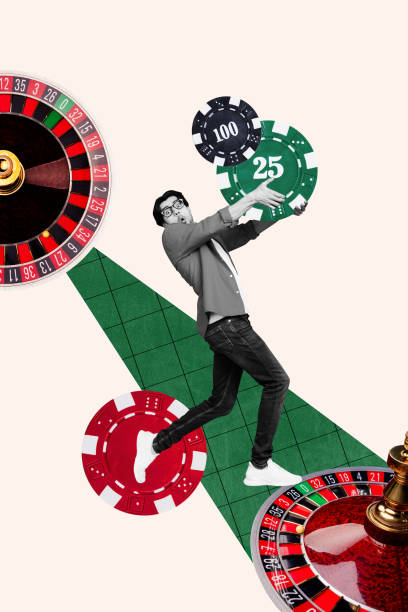
Furthermore, the brain’s reward system plays a pivotal role in this process. The release of dopamine during gambling activities is akin to the pleasure derived from other forms of reward, such as food or social interactions. This neurochemical reaction not only reinforces the behavior but can also lead to an increased tolerance, prompting individuals to gamble more aggressively over time, which further distorts their decision-making abilities.
The Influence of Cognitive Biases
Cognitive biases significantly influence how individuals perceive gambling outcomes and make decisions. For instance, the illusion of control may lead players to believe that they can manipulate the odds in their favor, despite the inherent randomness of games. This misguided belief can lead to overconfidence, resulting in riskier bets and poor financial decisions. Moreover, confirmation bias may prompt gamblers to focus on their wins while downplaying their losses, creating a skewed understanding of their overall success.
Additionally, the framing effect can alter decision-making processes. How a gambling scenario is presented—whether as a potential gain or a potential loss—can significantly impact a player’s choices. This psychological manipulation can encourage individuals to take on greater risks, as they become more motivated by the prospect of winning rather than the likelihood of losing, further complicating their decision-making strategies.
The Role of Emotion in Gambling Decisions
Emotion plays a crucial role in the decision-making processes surrounding gambling. When emotions run high—whether due to excitement, frustration, or desperation—individuals are more likely to make impulsive decisions that they might otherwise avoid. Emotional states can cloud rational judgment, leading to choices that reflect immediate feelings rather than long-term considerations. This can result in a cycle of chasing losses, where players continue to gamble in hopes of recouping previous losses, often exacerbating their situation.
Moreover, the social aspect of gambling can further heighten emotional investment. Interactions with others, especially in live gambling environments, can create a sense of camaraderie or competition that influences decisions. The pressure to conform to social norms or impress peers can lead individuals to gamble in ways that are not aligned with their financial best interests, compounding the psychological effects on decision-making.
The Impact of Celebrity Gamblers
Celebrity gamblers have a unique influence on the perception of gambling and its psychological impacts. Often portrayed as glamorous figures who win big, these individuals can create unrealistic expectations for the average player. The visibility of celebrity gambling can lead to a normalization of risky behaviors, encouraging fans to emulate their idols without understanding the underlying psychological risks associated with such decisions. This idolization may contribute to an increased willingness among fans to gamble, driven by a desire for the same thrilling experiences.
Additionally, the narratives surrounding celebrity gamblers often gloss over the potential negative consequences, reinforcing a skewed understanding of gambling’s appeal. As these figures celebrate their wins publicly, they may inadvertently downplay the losses and mental health struggles that many gamblers face. This disconnect can perpetuate harmful decision-making patterns among fans who seek to replicate perceived success without recognizing the inherent risks involved in gambling.

Exploring Responsible Gaming with Joe Fortune
At Joe Fortune, we recognize the importance of understanding the psychological impacts of gambling on decision-making processes. Our platform promotes responsible gaming by providing players with the tools and resources necessary to make informed decisions. By fostering a safe environment, we encourage players to engage thoughtfully with their gambling activities, ensuring that their experiences remain enjoyable and within their limits.
With an extensive selection of games and a commitment to player security, Joe Fortune aims to create a vibrant gaming community. Our focus on responsible practices is paramount, as we strive to offer not just entertainment but also a supportive framework that prioritizes the well-being of our players. Join us at Joe Fortune to experience a gaming environment where fun and responsibility go hand in hand.